History of Brazilian Jiu-Jitsu (BJJ)
By Javier Feliubadaló
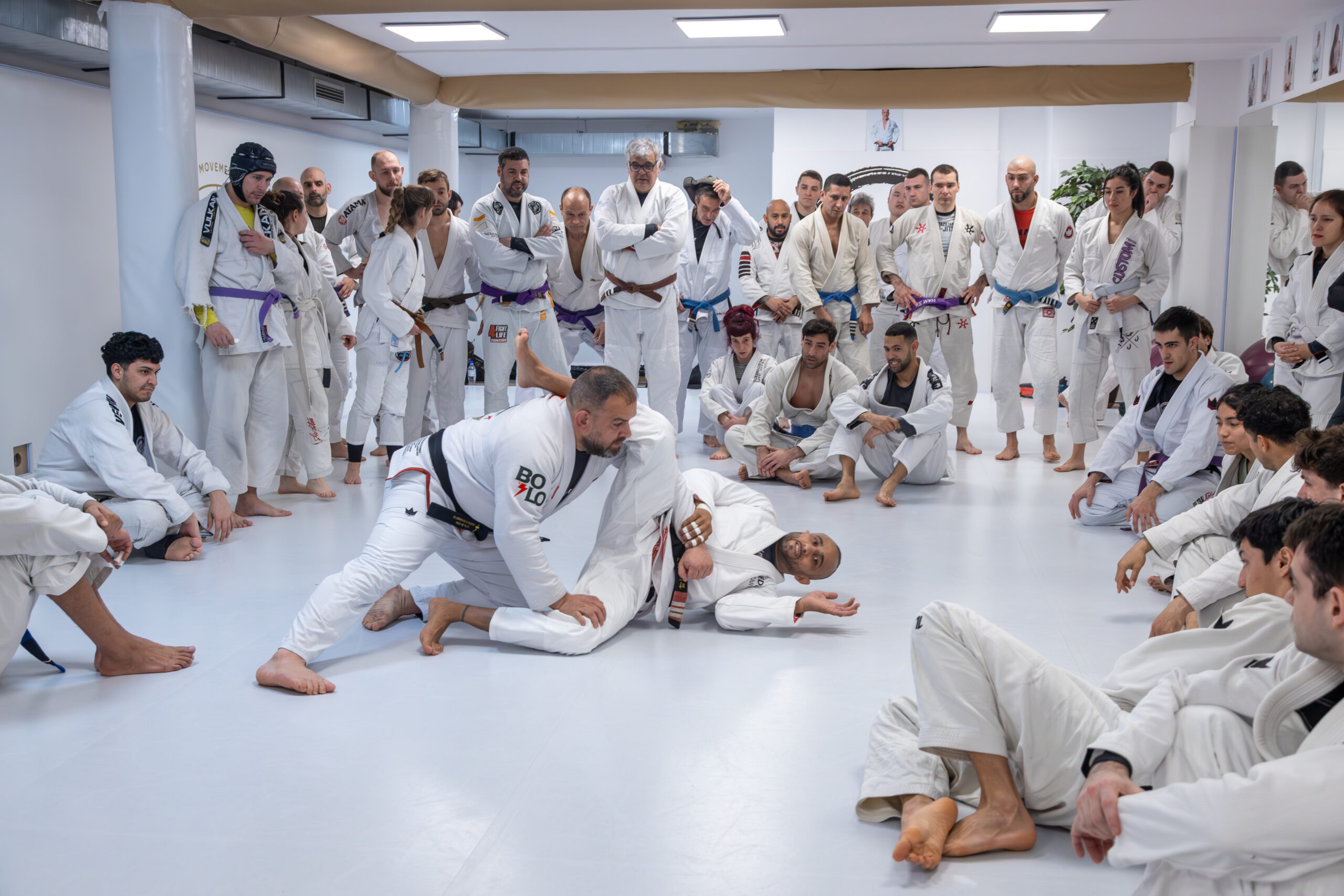
This article traces BJJ's evolution from Japanese Judo to a global martial art, emphasizing how technique triumphs over strength and exploring the historic rivalry with Luta Livre.
Origins: Judo's Foundation
Jigoro Kano developed Judo in late 19th-century Japan by synthesizing traditional Jiu-Jitsu schools. His system prioritized "maximum efficiency and mutual benefit," creating a safer, more accessible combat method that eventually became an Olympic sport.
Mitsuyo Maeda's Brazilian Impact
"Conde Koma" (Mitsuyo Maeda), Kano's distinguished student, arrived in Brazil around 1914. In Belém, he met entrepreneur Gastão Gracie, who supported his demonstrations. Maeda taught 14-year-old Carlos Gracie, initiating the Gracie family's dominance in martial arts history.
The Gracie Family Revolution
Helio Gracie adapted techniques for smaller practitioners, emphasizing "leverage, timing and strategy over brute strength." This innovation became BJJ's philosophical cornerstone.
Key figures included:
- Rolls Gracie: Integrated Judo, wrestling, and Sambo elements
- Rickson Gracie: Undefeated competitor and philosophical leader
- Rorion & Royce Gracie: Royce's UFC victories proved BJJ's effectiveness globally
BJJ vs. Luta Livre Rivalry
Luta Livre, a kimono-free grappling style, competed with BJJ throughout the 1980s-90s. Both disciplines advanced ground fighting through their antagonistic relationship, though BJJ ultimately achieved greater international prominence.
Modern Legacy
Today, BJJ represents a "philosophy of life" emphasizing technique accessibility for all ages and abilities, proving that "size and strength aren't determining factors in combat."
"In Jiu-Jitsu, technique overcomes strength. Knowledge defeats brutality."